Understanding Dasha & Antardasha in Vedic Astrology
Your Kundli shows what is written as potential. Your Dasha shows when that potential wakes up.
This is one of the biggest differences between casual horoscope reading and deeper Vedic astrology. Two people may have strong career combinations, but one rises at 24 and another at 34. Two people may have marriage potential, but the timing may differ. Two people may have wealth yogas, but the period of activation may come at different life stages. That is where Dasha and Antardasha become important.
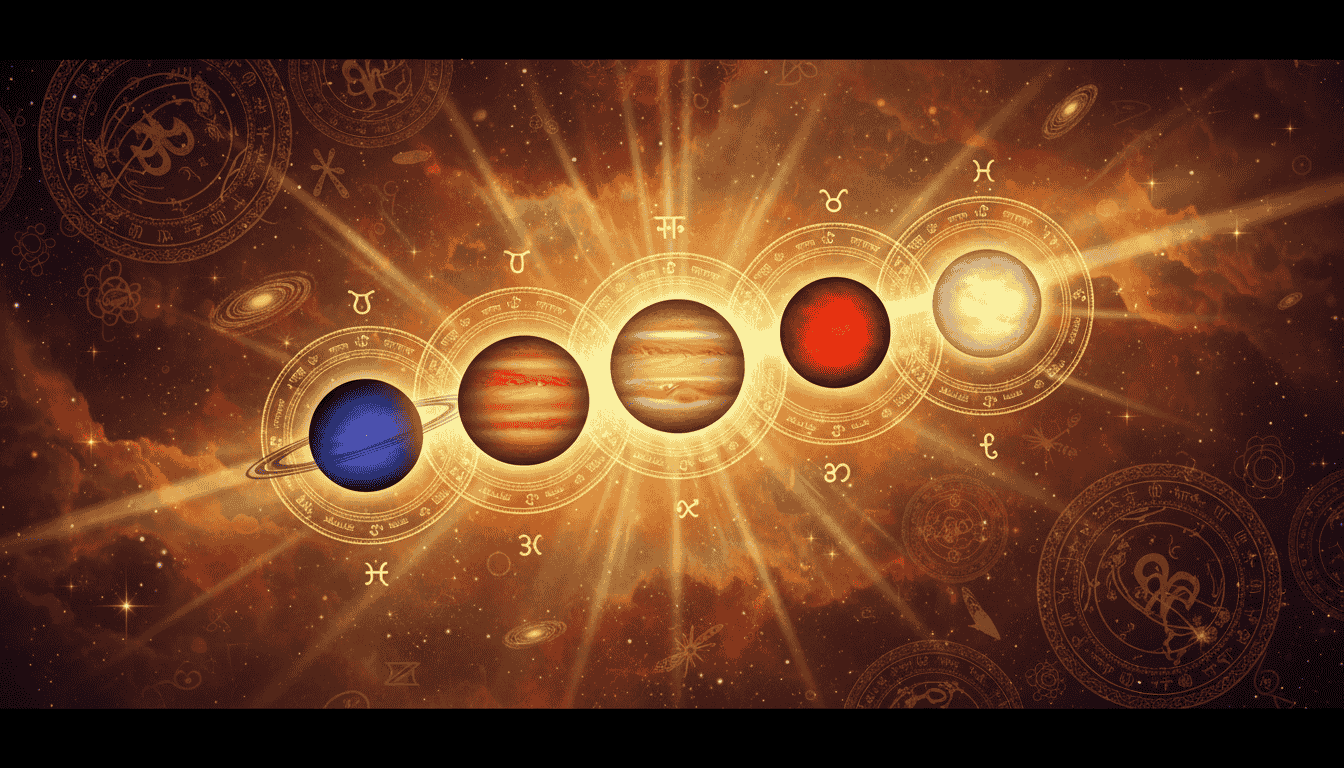
In Vedic astrology, Dasha refers to planetary periods used to understand the timing of life events. The Vimshottari Dasha system is one of the most widely used systems and divides life into planetary periods associated with the nine grahas. Each major period is called a Mahadasha, and within it are smaller sub-periods called Antardashas.
Think of your Kundli like a full playlist. The songs are already there. But Dasha decides which song is currently playing.
A Mahadasha is the main planetary period. It sets the larger theme of life. For example, Venus Mahadasha may bring themes of relationships, comfort, creativity, luxury, beauty, vehicles, marriage, or artistic growth, depending on Venus’s position in the chart. Saturn Mahadasha may bring discipline, hard work, career responsibility, delay, maturity, or karmic lessons. Jupiter Mahadasha may bring learning, guidance, expansion, marriage, children, teaching, or spiritual growth.
But no Mahadasha gives the same result for everyone. If Venus is strong and well-placed, Venus Mahadasha may feel supportive. If Venus is weak, afflicted, or connected with difficult houses, the same period may bring relationship lessons, financial indulgence, or emotional confusion. The planet’s dignity, house ownership, placement, conjunctions, aspects, and overall chart context matter.
An Antardasha is the sub-period within the Mahadasha. It gives more specific timing. If Mahadasha is the main season of a show, Antardasha is the episode currently playing.
For example, someone may be running Saturn Mahadasha and Venus Antardasha. Saturn may create the larger theme of discipline, career responsibility, and delayed rewards, while Venus may bring relationship, comfort, creativity, or financial themes into that Saturn framework. The result depends on how Saturn and Venus interact in that person’s chart.
For GenZ, Dasha is like app updates. Your phone may have many features, but some only become active after an update. Similarly, your chart may have career growth, relationship opportunities, foreign travel, business potential, or spiritual depth, but different periods activate different features.
This is why generic zodiac predictions often feel incomplete. Saying “Scorpio will have a good year” is too broad. A Scorpio Moon person in Jupiter Mahadasha may experience the year differently from another Scorpio Moon person in Ketu Mahadasha. Dasha personalizes timing.
Dasha can be used to understand career moves, marriage timing, education, relocation, business risk, financial growth, health caution, spiritual phases, and emotional transitions. It does not remove free will. Instead, it helps you understand the weather before you travel.
If the Dasha is supportive, you still need effort. If the Dasha is challenging, you need patience, correction, and better choices. A difficult Dasha does not mean life is doomed. It may mean life is asking you to mature in a specific area.
A good Dasha reading should answer:
Which planet is active now?
What does that planet represent in your chart?
Which houses does it control?
Is it strong or weak?
Which Antardasha is running?
What themes are likely to become important?
What should you focus on and what should you avoid?
Dasha is not fear-based prediction. It is timing intelligence.
When understood properly, it helps you stop forcing what is not ready and start preparing for what is opening. It teaches that life is not random. It moves in phases, and every phase has a purpose.