Rahu & Ketu: Unpacking the Karmic Nodes of Destiny
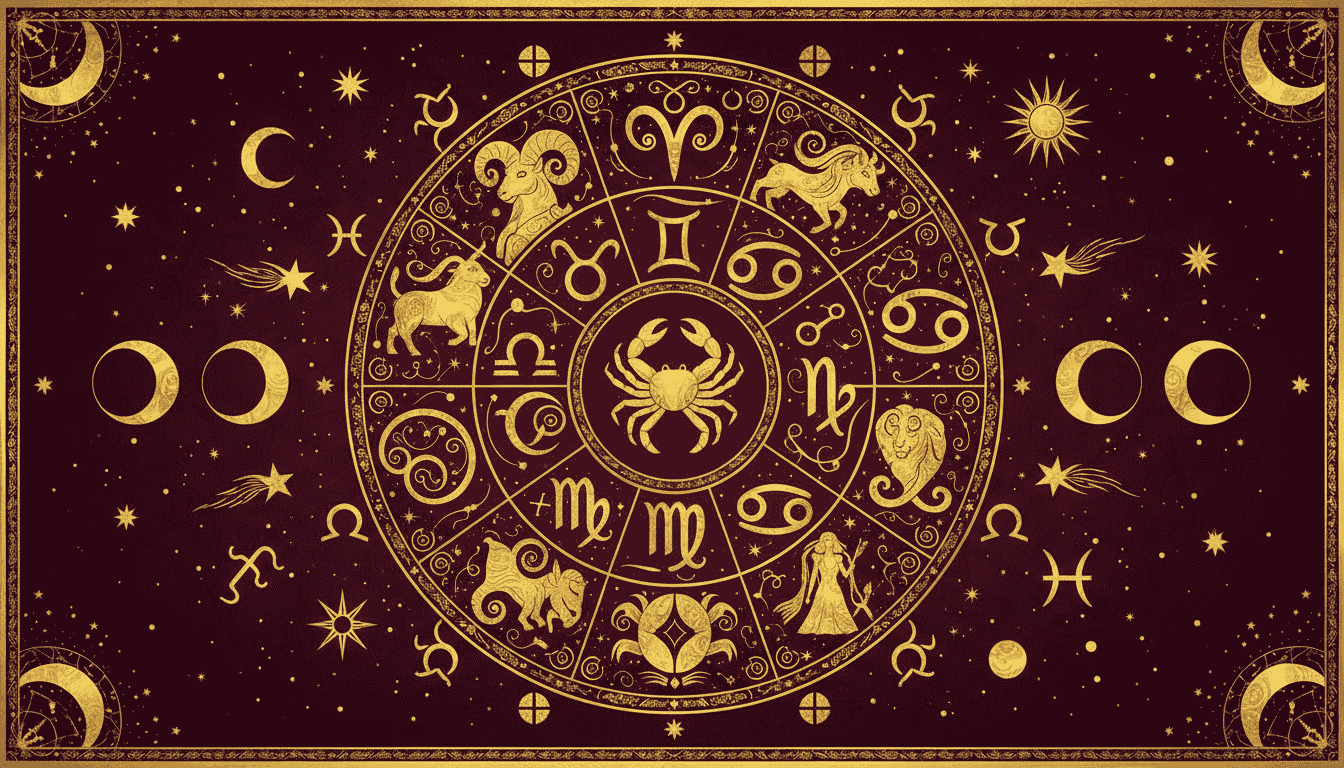
Rahu and Ketu are not physical planets. They are shadow points, known as lunar nodes, connected to the Moon’s path and the ecliptic. In Vedic astrology, they are treated as powerful karmic indicators. They show desire and detachment, hunger and release, obsession and wisdom.
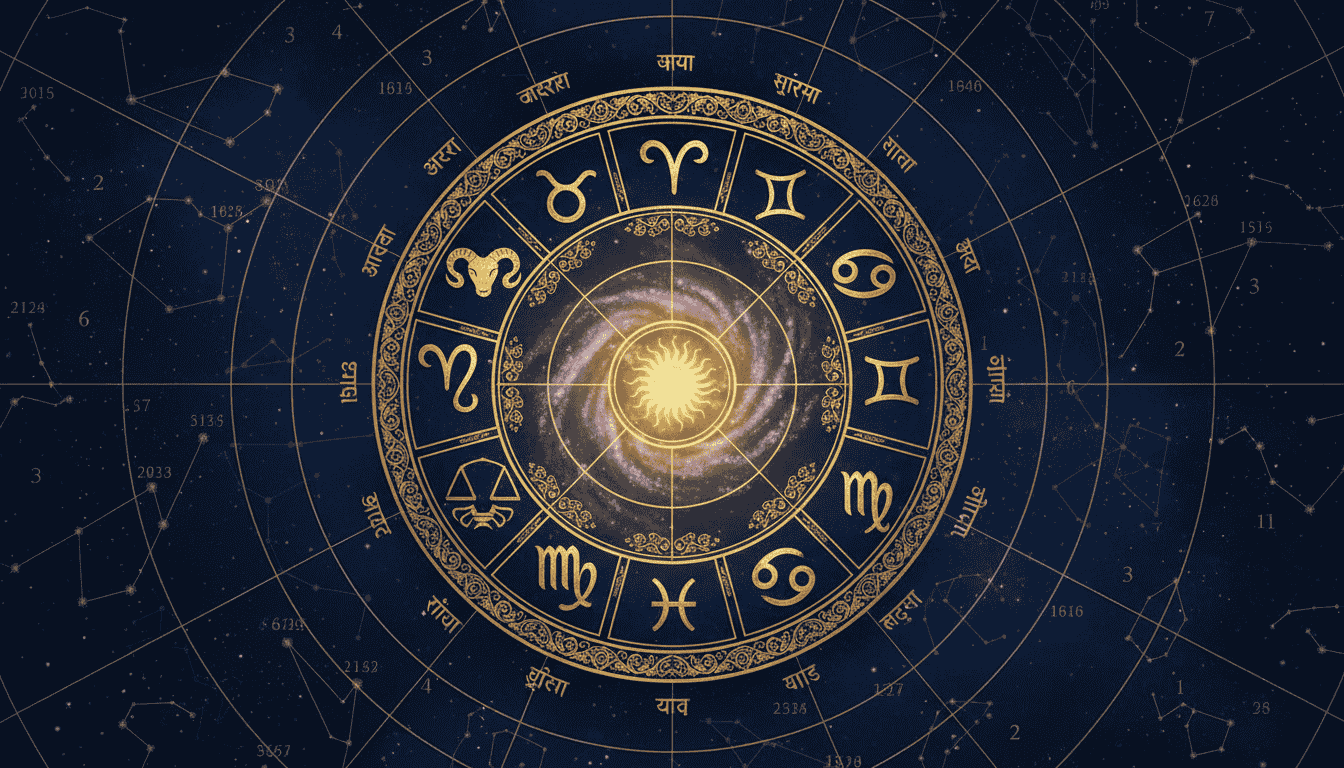
The ecliptic is the apparent path of the Sun among the constellations over the year, and the zodiac is arranged along it. Rahu and Ketu are understood astrologically through the nodal axis rather than as visible planets like Mars or Jupiter.
Rahu is the head without a body. It wants to consume, achieve, experience, rise, break limits, and chase what feels forbidden or unfamiliar. Ketu is the body without a head. It represents detachment, past-life patterns, spiritual memory, separation, and inner liberation.
For GenZ, Rahu is the part of you that wants viral success, global recognition, luxury, risk, fame, foreign opportunities, and the life that looks cinematic. Ketu is the part that gets everything and still asks, “Why do I feel empty?”
Rahu is not bad. Without Rahu, people may never leave their comfort zone. Rahu gives ambition, innovation, hunger, unconventional thinking, and the courage to enter new spaces. It can create entrepreneurs, influencers, researchers, tech disruptors, politicians, and people who challenge tradition.
But Rahu’s shadow is obsession. It can make someone chase validation endlessly. More followers, more money, more attention, more status, more thrill. Rahu says, “Just one more.” But satisfaction keeps moving away.
Ketu, on the other hand, can bring wisdom, intuition, spiritual depth, research ability, and detachment from superficial things. It may show where the soul has experience. But its shadow can be disconnection, avoidance, confusion, isolation, or lack of interest in worldly responsibilities.
The Rahu-Ketu axis in your Kundli shows a life tension. Rahu shows where you are pulled toward growth and desire. Ketu shows where you may already have familiarity but need refinement or release.
For example, Rahu in the 10th house and Ketu in the 4th house may pull a person toward career, public life, ambition, and recognition, while creating detachment or complexity around home and emotional peace. Rahu in the 7th and Ketu in the 1st may create strong lessons through relationships, partnership, and balancing self with others.
In relationships, Rahu can create intense attraction, unconventional bonds, obsession, or karmic pull. Ketu can create distance, spiritual connection, or emotional detachment. Together, they create relationships that feel fated, but not always easy.
In career, Rahu may bring sudden rise, foreign links, technology, media, politics, unusual industries, or bold moves. Ketu may bring research, spirituality, analytics, healing, hidden work, or specialized knowledge.
A simple modern example: someone with strong Rahu influence may become obsessed with building a personal brand. They may post constantly, track engagement, compare growth, and feel anxious when numbers drop. Rahu gives ambition, but the lesson is to not let external validation become identity.
Someone with strong Ketu may be talented but detached from self-promotion. They may avoid visibility, even when their work deserves recognition. Their lesson is to participate in the world without losing inner freedom.
Rahu and Ketu do not show punishment. They show evolution. Rahu says, “Go experience this.” Ketu says, “Do not get trapped by what you already know.”
The balance is to desire without obsession and detach without escaping.