Nakshatras: The 27 Lunar Mansions Explained
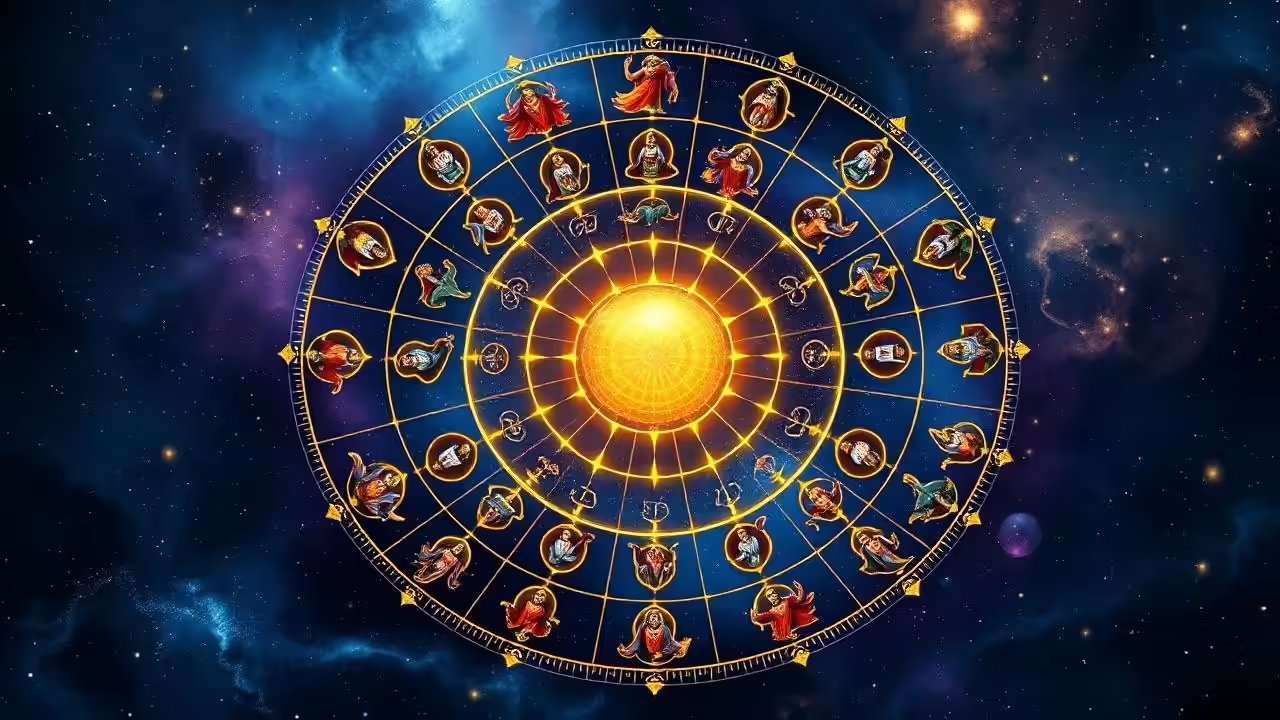
If zodiac signs are the broad chapters of astrology, Nakshatras are the sentences that reveal the real story.
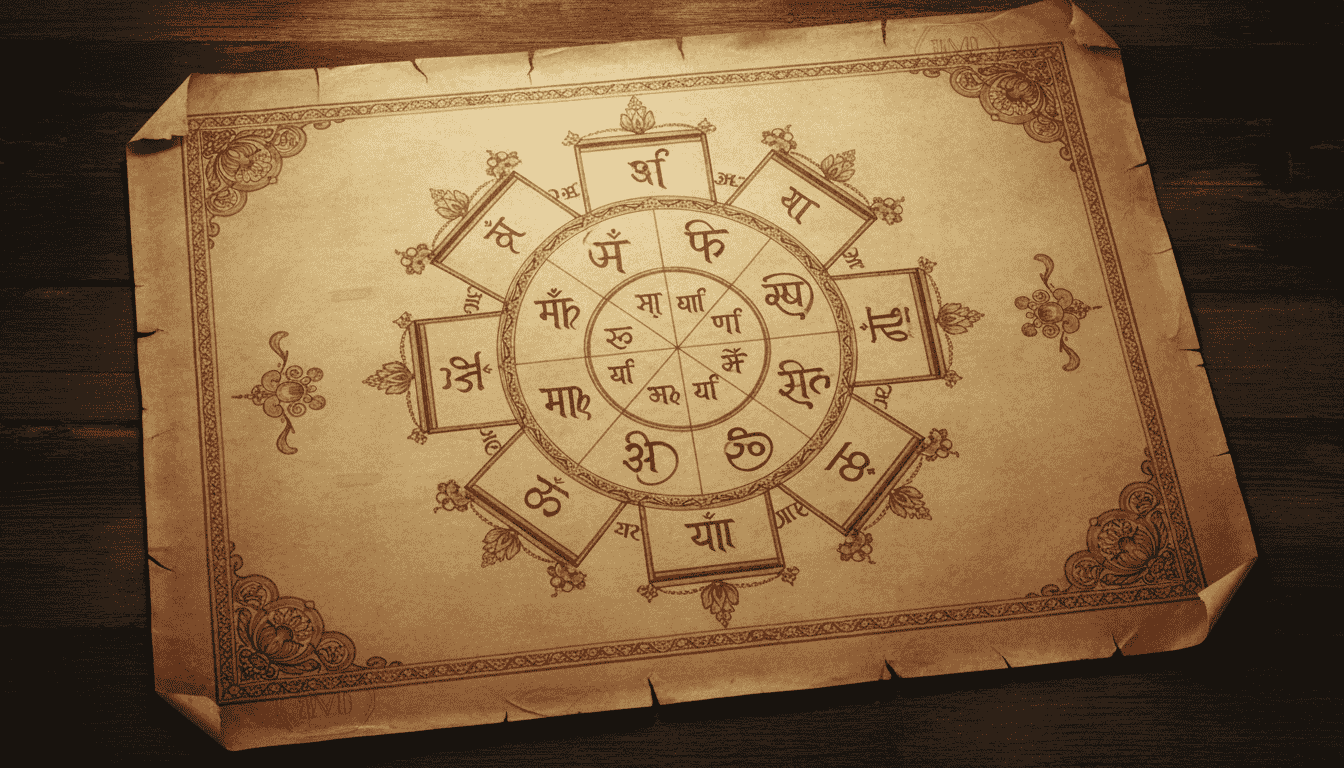
In Vedic astrology, Nakshatras are lunar mansions or divisions used for deeper interpretation of personality, emotion, destiny, compatibility, and timing. They offer a more detailed understanding than the 12 zodiac signs alone. The Moon’s Nakshatra at birth, called Janma Nakshatra, is especially important in many Vedic calculations and interpretations.
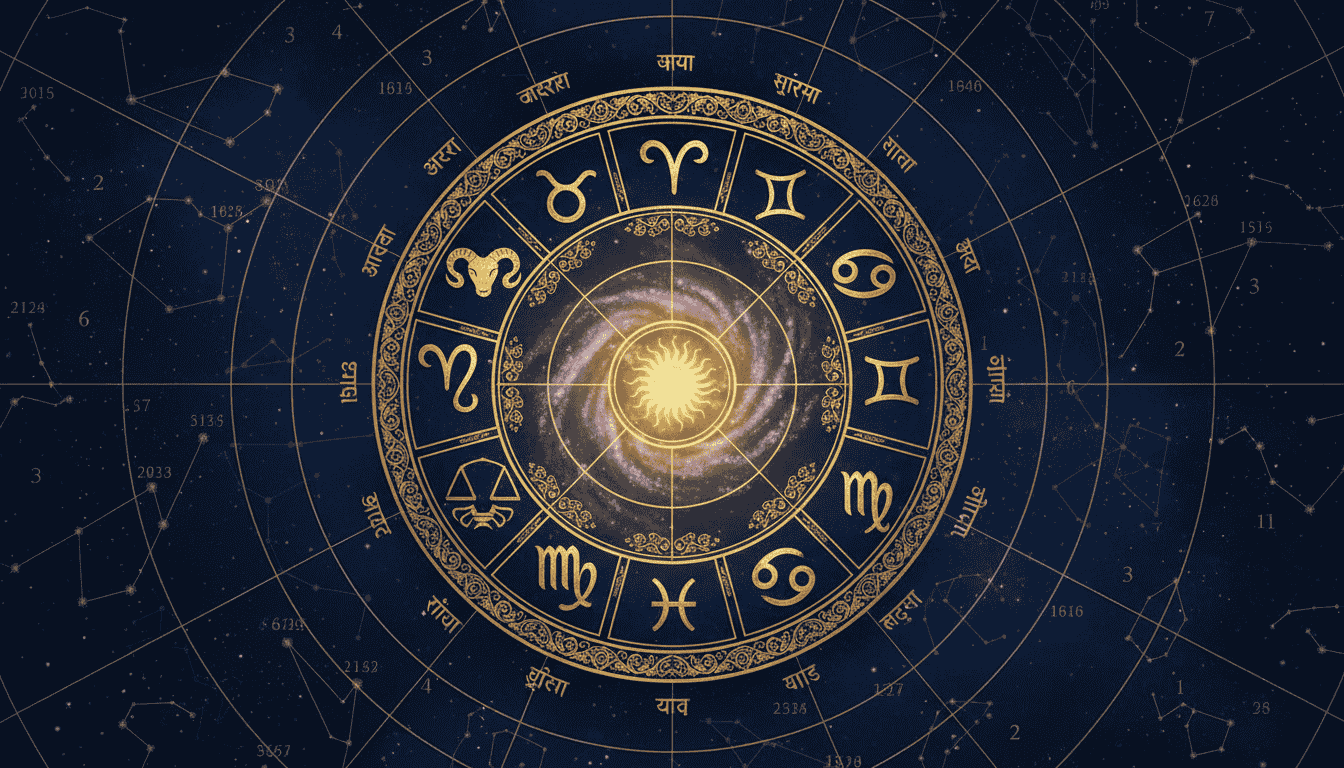
The zodiac is arranged along the ecliptic, the apparent path of the Sun among the constellations. Astrology then interprets positions of the Sun, Moon, and planets within this celestial framework.
There are 27 Nakshatras. Each has its own symbol, ruling planet, deity, nature, motivation, and psychological pattern. This is why two people with the same Moon sign can still be very different. Their Moon may be in different Nakshatras.
For GenZ, think of zodiac signs as your college department and Nakshatra as your actual specialization. Two people may both be in “Marketing,” but one is into branding, one is into analytics, one is into content, and one is into consumer psychology. The broad label is same, but the inner pattern is different.
Your Janma Nakshatra can reveal how your mind works. It may show your instinctive reactions, emotional memory, relationship patterns, fears, talents, and karmic lessons. This is why Nakshatra-based interpretation often feels more specific.
For example, someone with Rohini influence may have a strong connection with beauty, growth, comfort, creativity, and attraction. Someone with Ashlesha influence may be emotionally intense, strategic, observant, and psychologically deep. Someone with Mula influence may be drawn to truth, roots, research, and transformation, even if the process is disruptive.
Nakshatras are also used in compatibility. In traditional match-making, Nakshatra matching is one of the components considered for marriage compatibility. It can show emotional rhythm, instinctive comfort, and long-term harmony. However, compatibility should never be judged from Nakshatra alone. The full chart, Moon signs, Venus, Mars, 7th house, dasha, and personal maturity matter.
Nakshatras also play an important role in Dasha. The starting point of Vimshottari Dasha is linked to the Moon’s birth Nakshatra. This is why the Moon’s Nakshatra is more than a personality marker; it can influence life timing calculations too.
A modern example: imagine two people who are both Scorpio Moon. One may be emotionally private but healing-oriented. Another may be intense, investigative, and disruptive. Another may be spiritually detached. The Nakshatra helps explain why the same sign expresses differently.
Nakshatras are especially useful for understanding repeating life patterns. Why do you attract certain situations? Why do you respond emotionally in a particular way? Why do some themes follow you across relationships, career, and family life? Nakshatra analysis can offer clues.
But the purpose is not to label yourself permanently. It is to understand your deeper nature. A Nakshatra may show instinct, but awareness gives you choice.
The beauty of Nakshatras is that they bring poetry into astrology. They remind us that human beings are not just “Capricorn,” “Leo,” or “Pisces.” We are layered. We carry symbols, stories, fears, desires, and ancient emotional patterns.
Your Nakshatra is not a cage. It is a key.
It helps you understand the subtle story behind your mind, your instincts, your relationships, and your life path.